Bad Moods
In a recent sermon I offered, I was exploring the idea of fairness, or what feels fair, in particular, when people around you seem to be getting a bonus that you are not yourself receiving. The lesson was from a parable of vineyard workers, some of whom get hired early in the day, some of whom get hired later, and everyone ultimately gets paid the same amount. Now one important part of this lesson is that the people who were hired first were in fact paid what they were promised, they did not receive anything less than the agreed-on wage. But the people who were hired late in the day received the same wage, and that, objectively, reasonably, pissed off the people who worked the whole day.
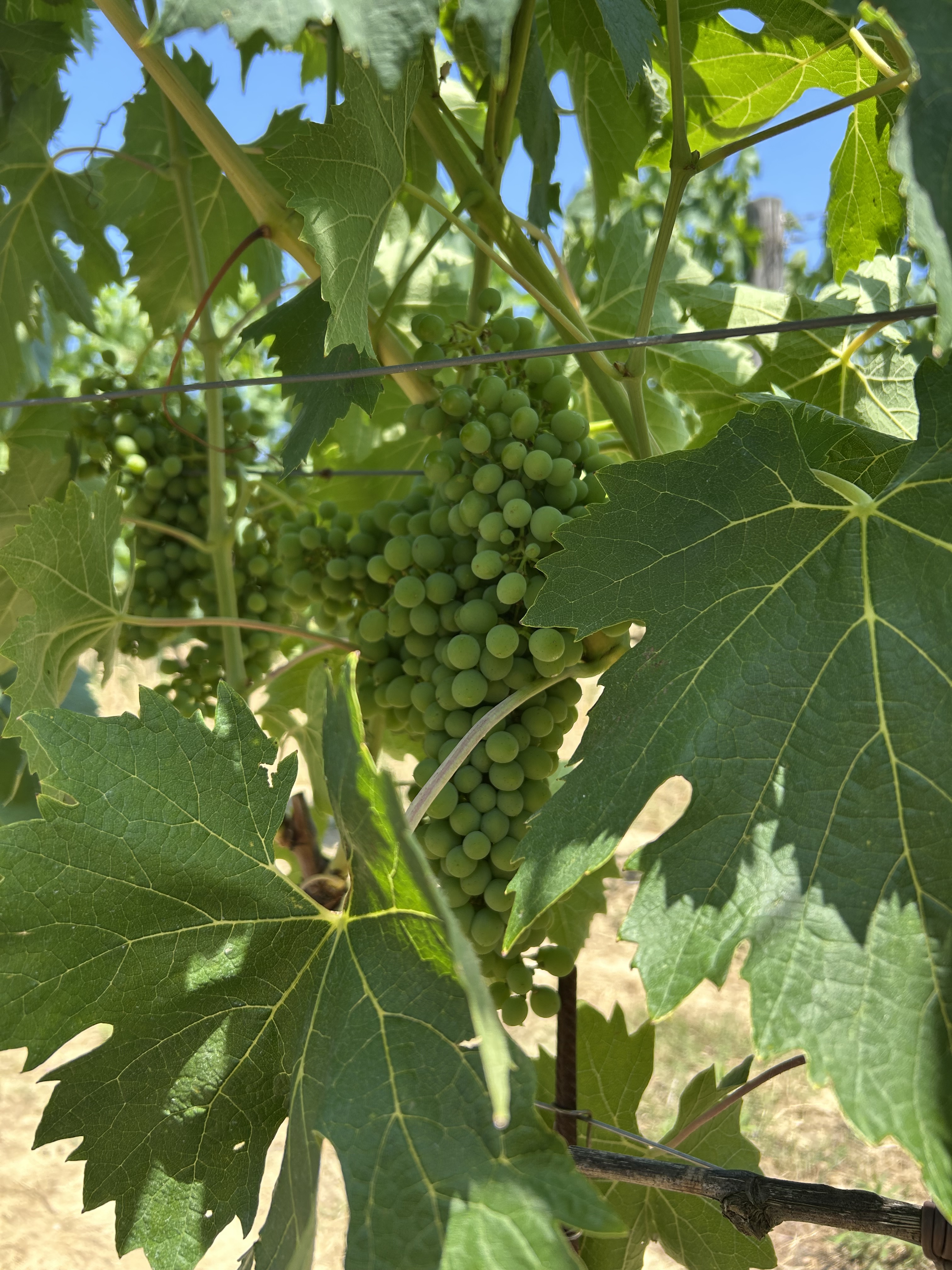
Another important point in the story is that God does not reward us based on performance, the work is the reward, the relationship is the reward, and we are getting nothing less than what we have been promised even when someone else seems to be getting something more. One of the commentaries I read in preparing the sermon said, “There is a great proneness in us to think that we have too little, and others too much of the tokens of God’s favor; and that we do too much, and others too little in the work of God. But if God gives grace to others, it is a kindness to them, and no injustice to us.*” It is simply, a well stated truth, but one that is hard to hear.
In my new book, The Giving Bitch, one of the things we explore is the impact of jealousy and envy on generosity. It may feel strange to be reading a book on methods for developing a more generous spirit, or assessing the ways in which you already share with the world, and have two big exercises that ask you to be really honest about feelings of wanting more, or wanting what others have; but, in lesson after lesson in the Abrahamic scriptures we are asked to acknowledge and learn from the very human experience of feeling put-out when someone gets something we think we should have, or something we don’t think they deserve. We have to be willing to look at the fact that we do get jealous, we do get resentful, it is irritating to be the person doing the work and then see someone get a reward that it doesn’t feel like they earned. In fact, I believe that if we don’t acknowledge those feelings, if we don’t confront that emotional reality, it is very easy to get judgmental, self-righteous, and ultimately mean.
God knows this is true for us because we have lessons in the Old Testament, and parables in the New that illustrate this emotional reality and ask us to accept God’s generosity without understanding, to just accept. I personally think it is easier to accept when we are honest with ourselves about what we feel, and when we are honest with ourselves we can engage a bit as a neutral observer making space for our own discomfort and ultimate growth. This is why in the book, I spend two weeks on exercises exploring the places where we encounter these feelings, and like the parables, my hope is that the work we do in these exercises can teach us compassion for our own experience, and awe in a relationship with a God who is confoundingly generous.
Oftentimes life really doesn’t feel fair. And I suppose life is often not fair. I can hear my grandmother saying, ‘nobody said life was fair,’ when I was protesting the special treatment of a cousin, or what I perceived as special treatment. But as I look back I realize, I didn’t get anything less, I didn’t not get what I wanted, or needed, I was just too busy looking at the other person to notice what I had in my own life. I think that most of us experience something like this, and I hope that by confronting these feelings with honesty and compassion, the way the vineyard owner does in the parable I taught on, or the way the father does with the older brother in the story of the prodigal son, that we can move through them to the joy in what we have done, what we have, who we are.
Someone very smart said, ‘I have received more than I have deserved, and I have received less than I have deserved.’ I believe that as we get clear with ourselves about what we want, why we want it, and what we think ‘it’ (whatever ‘it’ is) will do for us, it gets easier for us to appreciate what we have received, what we have escaped, and perhaps most importantly, to not be to worried about what is going on with ‘it’ for that other person.
Check out The Giving Bitch to explore more of this idea and engage with seven weeks of exercises that open up your understanding of how you can be generous with yourself and the world.
Make a one-time gift to support this work. Thank you for being a part of sharing these words.
Make a monthly donation
Make a yearly donation
Choose an amount
Or enter a custom amount
Your contribution is appreciated.
Your contribution is appreciated.
Your contribution is appreciated.
*Matthew Henry commentary
Discover more from Faith Works
Subscribe to get the latest posts sent to your email.


Leave a Reply